A TV Station Wages a Legal Battle to Recover 50 Terabytes of Its Digital Archive
 By Admin
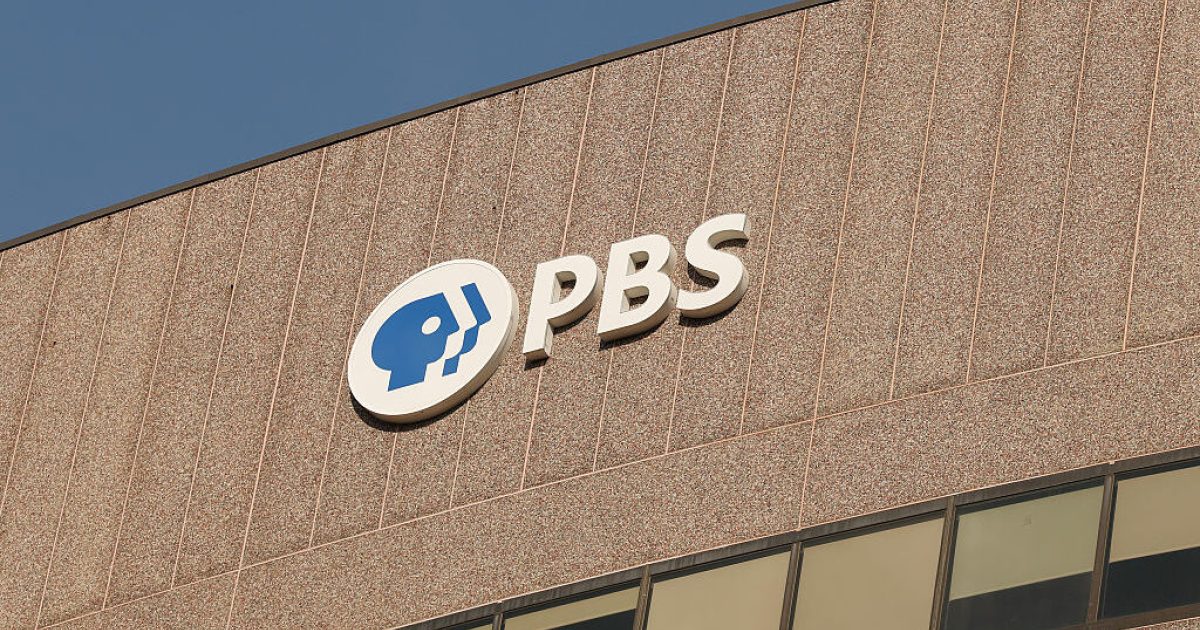
The story of the American TV station Nine PBS reveals one of the most serious risks organizations may face when they rely entirely on cloud storage providers: the sudden loss of access to data when the provider ceases operations. The St. Louis–based station found itself unable to access nearly 50 terabytes of its archival content, some of it dating back seventy years, after the service provider it depended on vanished, prompting the station to take the matter to court.
A Historic Archive at Risk of Being Lost
This isn't about ordinary files that can be replaced, but about an archive that documents an important part of the region's history. According to the lawsuit, the withheld data includes the station's coverage of the COVID-19 pandemic, documentation of the history of the East St. Louis area, as well as recordings of the "Great Flood" of 1993, and more than 11,000 files. The station affirms that "most" of this data is unique and irreplaceable, making its loss a genuine catastrophe on both a documentary and cultural level.
How Did the Crisis Begin?
The roots of the problem trace back to the station's contract with a company later known as Open Source Storage (OSS for short) for cloud storage services, hardware, and software. However, the station's most recent contract with the company expired on March 6, and when the station attempted to renew the agreement in February, it received no response.
The station soon discovered that the company had effectively ceased operations and was classified as being in "default" status by official authorities in the state of Colorado. Worse still, the station lost access to its data suddenly as soon as the contract ended, even though the contract granted it a 30-day grace period to retrieve its data.
The Data Center Holds Its Ground
Here a third party enters the equation: Iron Mountain, the company operating the Denver data center that OSS used to store the station's content. Iron Mountain refused to hand over the data, justifying its position by stating that its contract was with OSS and not with the station, and that the servers and hardware containing the data were owned by its client, OSS.
A company spokesperson explained that its role is limited to providing physical infrastructure only, such as the building, network connectivity, power, and environmental control systems. In this context, they said:
- "Our customers lease space for their servers and hardware, and these are assets that belong to them."
- "We do not have the right to access the data on the hardware because it belongs to our customers."
- Granting unauthorized access could constitute a violation of data privacy and a breach of contract, and might put other customers' data at risk.
A Court Ruling Opens the Door to a Solution
After the station obtained a default judgment against OSS confirming its immediate right to own its data, it turned to the Denver County Court in its dispute with Iron Mountain. The judge earlier issued a ruling barring the company from deleting or modifying the data, and later ruled that the physical hardware containing the data must be handed over.
The judge set an important condition: the station must find a third party, such as a former OSS employee, capable of retrieving the data within 30 days without sharing or damaging other customers' data. Indeed, the station is in contact with a former employee who has expressed willingness to help. However, should complications arise—such as the data being encrypted—a new hearing will be held.
Lessons Learned in Data Protection
This incident highlights fundamental risks that every organization relying on external storage services should heed, most notably:
- The necessity of maintaining independent backups of critical data away from a single provider.
- Understanding the legal structure of contracts and who owns "actual access" to the data versus who owns the "infrastructure."
- Establishing contingency plans to recover data in the event of a provider's bankruptcy or sudden shutdown.
- Periodically monitoring providers' financial and operational status.
The station expressed its appreciation for the court ruling, which charted a clear path to recovering its archive, affirming that these materials represent an important part of the region's history. The most important question remains: did the station have backups? This is a matter for which no clear answer has yet been provided.
✦ بقلم فريق دروب أيديا
DROPIDEA
We hope this article has added real value to you. At DROPIDEA, we always strive to deliver high-quality content that helps you grow and evolve in the digital space. Follow us for more useful articles and guides.
Tags
Admin
DROPIDEA
Latest Articles

Google's New Camera Feature Exclusive to Pixel 11 Phones

A New, Scarier Version of "The X-Files" Movie Arrives on Hulu

Samsung Preparing Galaxy H1 Headphones to Rival AirPods Max

Nscale Acquires Anyscale for $1.65 Billion to Expand Its Dominance in AI Infrastructure