The concept of point of control in cinematography - Point of Control
 By Admin
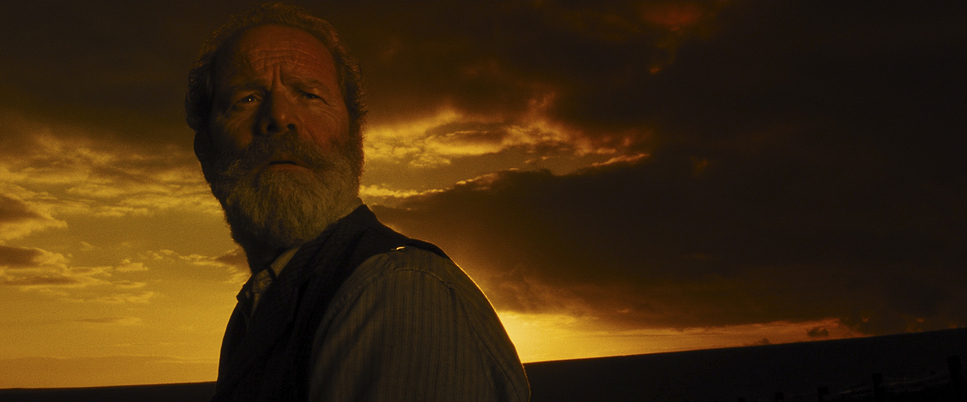
In today's article, we will talk about a mechanism for adjusting lighting and controlling exposure levels in scenes. In today's article, we will explain the idea of the Point of Control further through a video that was previously published on our YouTube channel. We wish you an enjoyable viewing, then a peaceful reading. What is the point of control? When working on photographing a scene, it is natural for there to be a difference in exposure degrees in different areas in the scene. This is normal as light and its multiple sources may illuminate several spots and areas in the scene to the exclusion of the rest of the areas, which creates a state of contrast in exposure. We can take advantage of this natural contrast by controlling the amount of exposure and making sure to control its levels by monitoring the highest exposure point in the scene, which we cannot control. This point we will call the control point. Once we controlled the camera settings to set it to this point, it became possible to control the entire image separately and more comfortably. Here is the following example from the movie War Horse: We notice that the sun is located completely behind the actor, as it was deliberately hidden to avoid the high light coming from it, but let us examine the previous scene more closely. Let us note what is the highest exposure point in the scene... Yes, the sky and clouds illuminated by the sun are the highest point of illumination that we cannot control, so it is what we call the control point. Now all we have to do is adjust our camera settings so that this area is within the appropriate exposure limits that allow us to see enough details.
How are we going to adjust the exposure? Of course, when talking about cinematography, the topic may differ from photography, since there is a group of elements that are related to each other and the change cannot be absurd. If we talk about shutter speed, the shutter speed is very important related to the number of frames we are shooting with. In other words, we are forced to maintain the 180-degree rule in shutter speed to maintain correct movement in the scene, so the shutter speed cannot be modified or changed.
See the article The 180 Degree Rule in Shutter Speed for more information on this point. Now that we are shooting with cinema cameras, we have to know the nature of the camera we are shooting with, and know what the Native ISO value is in it, quickly and briefly. The Native ISO value is the optimal ISO value for the camera, which allows the camera to record video at the highest resolution and highest dynamic range without any problems with noise and other things. In other words, we must maintain our use of the Native ISO value in the camera used. Well, so far we only have the lens aperture left. How can we adjust the exposure in the previous example? Suppose we adjusted the exposure on the background, and the lens aperture value at that time was equal to f 8. We will notice that we are facing a problem, which is that the character shown above was not able to be seen clearly and it turned into what looks like complete shadows, or more like a silhouette, so what is the solution here?
If we adjust the lighting on the actor’s face and assume that the lens aperture value will be f 2.8, we will notice that the sky in the background has become very bright and completely unacceptable. So what is the solution? Here comes the importance of the name Point of Control, as we will adjust the lens aperture to match the clarity of the sky without any overexposure. Let us assume in our case here that we will set the value of the lens aperture to f 8, then we will measure the difference of stops between the actor’s face and the background, after the stops according to the known stop table. There are three numbers between the value of f 2.8 and f 8. Does this mean that there are three stops between the two points?
Of course not, because the difference between each number and the other here is half a pause, and therefore we have a difference of one and a half pauses between the sky and the figure. If you feel that the topic of stops is complicated, see the article here: What is the term F-stop and what is its relationship to the lens aperture? Well, now we know that we want an amount of light of approximately one and a half stops to set the exposure consistently and correctly. As a lighting and photography manager, you will ask the lighting team to add light by a stop and a half, and you will track on the FALSE COLOR scale the amount of light that is added, and you will know when to tell the lighting team to increase or decrease the amount of light to maintain that ratio that is appropriate for you. Determining the highest point of illumination and setting our camera to it, and setting the rest of the levels according to that point (the sun in our last case) is what we call the Point of Control. Simply find the highest light that you cannot control, set your camera to it, then start adding your lighting to balance the exposure in the scene.
In the following examples, the point of control may be the practical lighting appearing in the scene. Here we mean the globe or desk lighting visible in the picture. It may not be possible to control its exposure amount or install a dimer for it, because this may cause what is called flickering or flickering of the light in the picture, so it appears in the camera as if someone is trying to quickly turn off and on the light. Therefore, the solution instead is to leave the light as it is and adjust the lighting to it. We strongly recommend reviewing previous articles related to defining the term framework, which talk about: Choosing the correct lighting angle - Upstage vs Downstage What is the term Room Tune? Corner of the Room - L of the Room Checkerboard Lighting - Salt and Pepper Remember this technique the next time you have exposure problems, and remember exactly how to control exposure by determining your control point.
Until we meet in a new article, I would like to remind you that if you find any questions, you can send your inquiries through our accounts on the social networking sites, Facebook, Twitter,
Instagram. You can also subscribe to the Telegram channel to receive exclusive content and follow our latest news.
May you always be creative. Did you like the article? Share it with your friends..
DROPIDEA
We hope this article has added real value to you. At DROPIDEA, we always strive to deliver high-quality content that helps you grow and evolve in the digital space. Follow us for more useful articles and guides.
Admin
DROPIDEA
Latest Articles
Nscale Acquires Anyscale for $1.65 Billion to Expand Its Dominance in AI Infrastructure
How Is AI Accelerating Meta's New App Launches?
Okta Acquires Security Firm Permiso for Around $200 Million

Microsoft Gains $3.2 Billion from Its Investment in Anthropic