Power Cuts to Data Centers to Protect the US Grid from Collapse
 By Admin
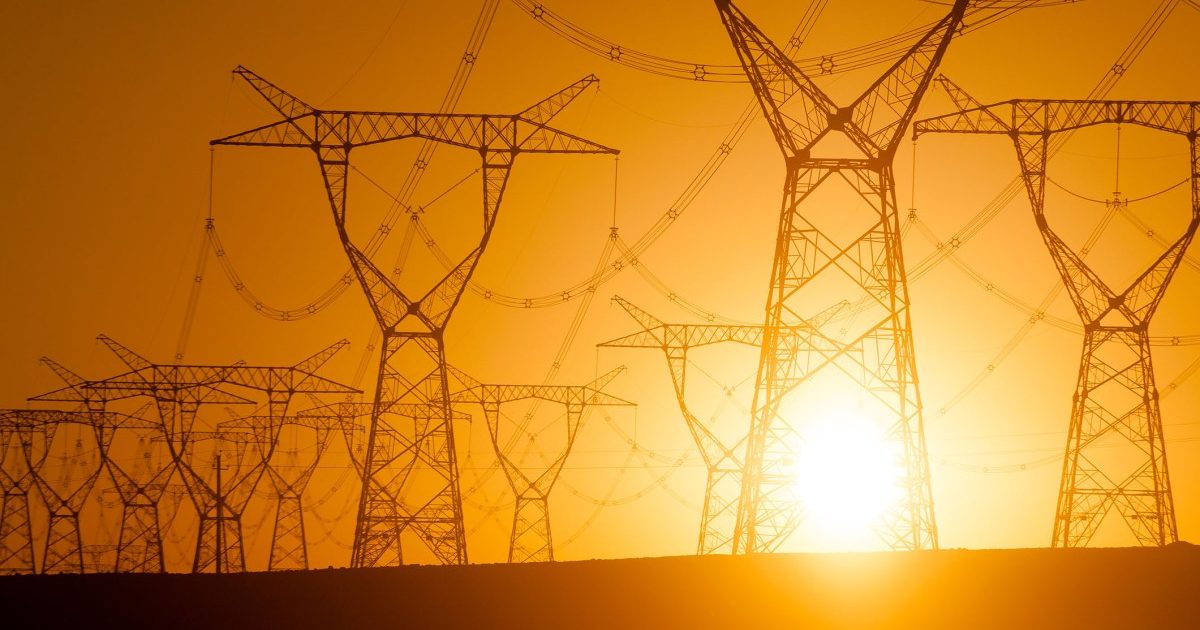
The Energy Crisis Comes Knocking at Data Centers' Doors
Data centers have become an increasing burden on the United States' electrical infrastructure. PJM Interconnection, operator of the largest electric grid in America, has unveiled a plan to impose temporary power cuts on data centers and major consumers during peak periods and supply shortfalls. This decision follows a failed capacity auction that fell short of meeting growing energy needs, amid a rapid surge in new data center construction that is straining the grid and leaving operators unable to keep pace with demand.
Numbers That Signal a Deep Structural Challenge
The crisis appears far from temporary. Projections indicate that by 2035, data centers will consume four times their current electricity usage, driven by the boom in artificial intelligence applications and cloud computing. The PJM grid spans 13 US states, from Virginia to Illinois, serving approximately 67 million consumers — meaning any disruption carries wide-reaching consequences.
Details of the Planned Curtailment Mechanism
The power reduction measures will not take effect before June 2027, and will initially apply only to data centers with a capacity of 50 megawatts or more. This step falls within decades-old "demand response" programs that typically cover large industrial facilities. The mechanism includes the following:
- Advance notice to consumers ranging from 30 minutes to several days, depending on the anticipated level of demand.
- Financial compensation for facilities that cooperate with power curtailments.
- PJM continuing to hold additional auctions to attract new generation capacity.
Data Centers Search for Alternatives
This decision is likely to push many data centers — both existing and under construction — to invest in on-site power generation. However, the easiest and most widespread option remains backup diesel generators, despite their notable drawbacks:
- Higher operating costs compared to grid power.
- Pollutant emissions with a greater impact on the environment and public health.
- Regulatory restrictions limiting their use to 50 hours per year for demand response programs, and 100 hours for emergencies and maintenance.
The recent case of Vantage Data Centers brought this issue into sharp relief. The company found itself at the center of criticism after being accused of coordinating with environmental regulators in Virginia to challenge a study warning that backup diesel generators at its 96-megawatt facility in northern Virginia could cost neighboring residents tens of millions of dollars annually in health damages.
Electricity Prices Rise — and There Is One Suspect
The power curtailment debate has not been the only controversy. The wholesale electricity market within the PJM grid saw a sharp price increase, doubling over the past year. The independent market monitor explicitly pointed to data centers as bearing a significant share of responsibility for this rise, given their surging demand to connect to the grid without a corresponding increase in available generation capacity.
Conclusion: A Difficult Equation Between Digital Growth and Energy Sustainability
This situation reveals a genuine structural tension between the ambitions of rapid digital transformation and the capacity of energy infrastructure to absorb it. With the 2027 implementation date approaching, the data center sector faces a fundamental reckoning: either invest seriously in clean, sustainable energy solutions, or submit to operational constraints that will cast a shadow over both reliability and cost alike.
✦ بقلم فريق دروب أيديا
DROPIDEA
We hope this article has added real value to you. At DROPIDEA, we always strive to deliver high-quality content that helps you grow and evolve in the digital space. Follow us for more useful articles and guides.
Tags
Admin
DROPIDEA
Latest Articles
Recursive and Amazon Sign $410 Million Computing Deal

Fish Audio Raises $52 Million to Build AI Voice Models for Creators and Enterprises

Claude's Private Conversations Appeared on Google: What Happened?
Nadella Warns: Companies That Rely on a Single AI Model Won't Survive