The sun is an essential source of light, and in our field of work, sunlight has ways and tricks to deal with it to achieve different lighting patterns, which is what we will discuss today in this article. Our article will be somewhat long, so be prepared. Why do we need to know these four ways to deal with sunlight? When talking about the nature of the sun, we find that its illumination is sharp and uncontrollable, whether in quantity, shadows, or angle. This is an extremely important issue, since the sun is constantly moving, and it is possible for us to spoil the scene of what we film and replay it several times. For this reason, filmmakers address these basic methods in their dealings with the sun to ensure the quality of the image.
So let us learn together about these four methods of dealing with the sun and its lighting: 1- Distraction and Softening Sun lighting is considered sharp lighting and forms very sharp shadows on the face. These shadows may serve the story and the scene that we are photographing, but they may also spoil the scene. One of the ways to deal with the sun in this case is to disperse the sun’s rays to achieve soft lighting and soft shadows. Dispersion can be done using different fabrics, such as silk, cotton, and other materials that have special characteristics in the nature and amount of dispersion, softening, and shape of shadows in each fabric type separately. In the following video from LEE Filters, a company that manufactures filters and fabrics for lighting and photography, you can see the differences between each type of fabric: 2- Deal with it directly. Sometimes it is necessary in the text that the scene be under direct sunlight. In this case, we must pay careful attention to the shadows, and to the timing of filming so that the sun is in the right place in the sky. The positions of the sun can be known in advance through an application on smart phones called Sunseeker. As we mentioned, the problem that we will face is the high contrast between the lighting ratios in the areas. Lit and shadows.
In the world of cinematography, you rarely find a use for this type of footage, and if it does exist, we notice that it was filmed using cameras that have a high dynamic range, which allows data to be preserved in both dark and lit areas, with lighting due to the presence of a slight filling of the shadows to reduce the contrast. 3- Using reflectors to redirect them. One of the methods that cinematographers follow very frequently is to redirect the sun by passing it through light-reflecting fabrics, which allows for the creation of soft lighting on the actor’s face. We previously talked about two types of lighting related to redirection, and we divided it according to the direction of the reflected lighting on the actor’s face, so that if the lighting reflected from the reflective surface comes from the opposite side of the sun and not from the same side (assuming the sun is from the right and the reflector is from the left), then this technique is called Sun Sandwich. , as in the example below: Sometimes the reflector is from the same direction as the sun, forming a unique pattern in reducing the intensity of the light on the actor’s face, but this technique is centered on a special positioning of the actor so that the illumination of his face remains what is produced by the reflector, while what we can call backlighting - BackLight is the sun, as in the following example: Note: It is possible to replace the reflectors with special soft lighting to perform the same task. 4- Obscuring: This method, in short, consists of photographing in the shadows. Then it is possible to benefit from the sun, which illuminates the background, for example, either by naturally filling it with shadows, or in a natural way, we will set our cameras on them. Therefore, we have a need to use lighting in the shadows, which will form a special color and light pattern for us.
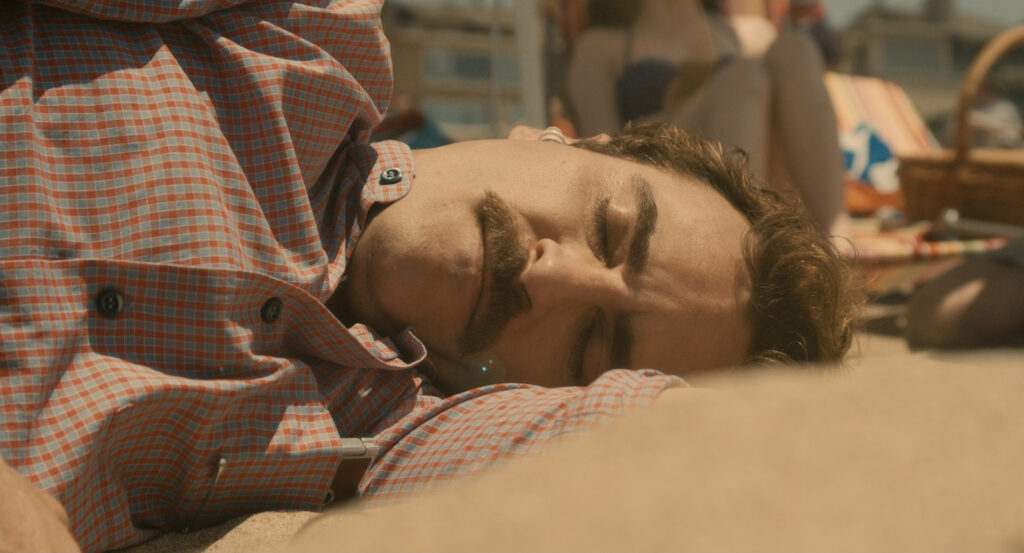
I presented an analytical example in our Patreon account about an example of a scene filmed in broad daylight and under direct sunlight, from the 2013 movie Her. In that example, there was an unnoticeable change in the filming time (noon and afternoon) in the same conversation. You can view the episode here: I hope that this article is sufficiently comprehensive regarding lighting problems when dealing with intense sunlight. I would like to remind you that if you have any questions, you can send your inquiries by clicking on Contact us, and you can also follow us through our account
For more exclusive content. May you always be creative.
Did you like the article?
Share it with your friends..
DROPIDEA
We hope this article has added real value to you. At DROPIDEA, we always strive to deliver high-quality content that helps you grow and evolve in the digital space. Follow us for more useful articles and guides.

Admin
DROPIDEA
Latest Articles

Microsoft Gains $3.2 Billion from Its Investment in Anthropic

Zuckerberg: Billions of People Will Have AI Assistants Within Five Years

Microsoft Enters Direct Competition Against OpenAI and Anthropic
Pangram Raises $9 Million to Detect AI-Generated Content