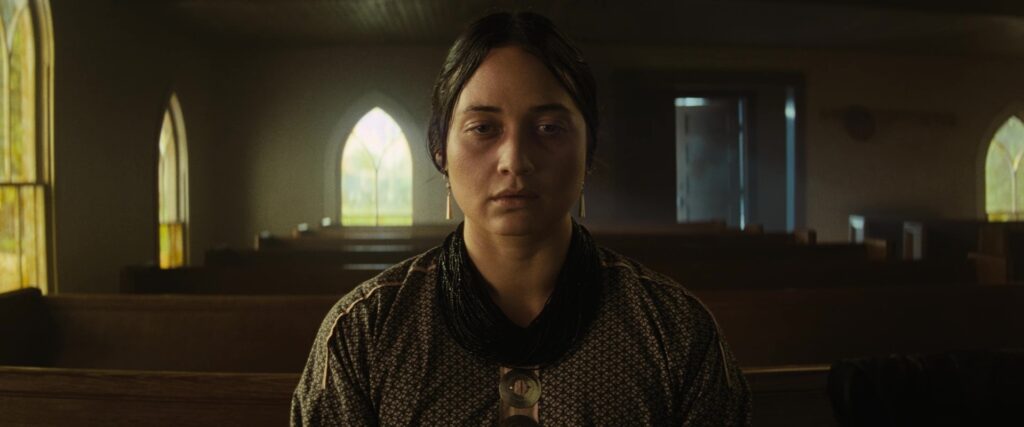
Photography lenses are considered an integral part of the tools that contribute greatly to shaping the artistic image, as they directly affect the quality of photography, conveying details of the scene, and adding effects to the image that may contribute to shaping the visual style of the artistic work that we are working on. In our article today entitled A Study in the Properties of Lenses, we will discuss three main characteristics that appear in lenses and affect the image and its quality. Chromatic Aberration Chromatic Aberration: It is an optical problem that occurs when the lens fails to focus light rays of different wavelengths at the same point, causing the light spectra to shift away from each other, causing the appearance of color fringes that often combine two complementary types of colors, such as red and cyan and/or blue and yellow. Each lens has a certain amount of chromatic aberration of its own. Some lenses contain a very defective chromatic aberration that makes these lenses cheap and impractical and do not give acceptable quality during use. Notice how the edges in the image below contain a purple color as a result of the severe chromatic aberration in the lens: While some lenses are characterized by a special chromatic aberration that gives them a desirable artistic character, this chromatic aberration may be intentional from the manufacturer, or filters may be added to create this effect on the image, or this effect may have been added digitally. During the coloring and editing process, as the example below is the example from the movie Civil War (2024): There are two types of chromatic aberration. The type is called Lateral Chromatic Aberration, which is the effect that appears only at the edges of the image, meaning that the middle of the image will not show any problems, but in the margins and sides of the image this chromatic aberration will appear clearly.
On the other hand, we have the second type, which is complex chromatic aberration, which is the type that is difficult to correct and indicates the presence of a real problem with the lens. Petzval’s curvature of field Petzval’s curvature of field: It is an optical problem that causes flat objects to appear in focus only in a certain part of the image, instead of being completely clear throughout the entire image area. This occurs due to the curved nature of the optical elements in the lens, which projects the image curved rather than flat on the camera sensor. In other words, the normal image will not be the same in terms of blurring and focus, but rather a curvature and distortion of the image will appear in some part of it. This effect may be an unintended defect in lenses such as the PETZVAL lenses that appeared in 1840, and the addition of this effect may be intentional and intentional (whether within the nature of the physical lens, or by adding filters to the front of the lens) to show distortion and curvature of different sharpness and intensity in certain places in the image.
Lens Distortion: It is an optical effect that makes straight lines in an image appear curved or disproportionate in a way that is unnatural to the eye. The three most common types of optical distortion in lenses are: Barrel Distortion: Straight lines curve outward, making the image appear bloated. Pincushion Distortion: Straight lines curve inward, giving the impression of compressing the image.
Mustache Distortion: It is a complex combination of the two previous types, where the image appears to contain ripples and curvatures. These three characteristics show how lenses can greatly influence the resulting images, not only in terms of exposure, focal length, isolation, and focusing speed, but also in terms of color purity, sharpness distribution, and keeping straight lines intact. Understanding these problems and how to deal with them is essential for every photographer who seeks to produce images with high professionalism. It is important to understand the problem and its causes, then deal with the problem or adapt to it in a manner appropriate to the nature of the projects.
Choosing specific lenses for a project we are working on, according to the characteristics of the lenses, can be an important factor in avoiding any technical problems that may occur during the work, and it may also contribute to adding a new use for the lens to serve the story and topic in the project if those effects serve the work and the story. This article is only the beginning of a series of articles that will discuss the characteristics of each lens separately, and will look at each lens on the market from both a technical and artistic perspective in an effort to provide a database for Arab users about every lens that we may use in cinema and television projects. In conclusion, I would like to remind you that you can send your inquiries by clicking on
Contact us, and you can also follow us through our Instagram account for more exclusive content.
May you always be creative. Did you like the article? Share it with your friends..
DROPIDEA
We hope this article has added real value to you. At DROPIDEA, we always strive to deliver high-quality content that helps you grow and evolve in the digital space. Follow us for more useful articles and guides.

Admin
DROPIDEA
Latest Articles

Pangram Raises $9 Million to Detect AI-Generated Content

Encore AI تجمع 30 مليون دولار لبناء وكلاء ذكاء اصطناعي يتعلمون من مكالمات العملاء

Hint: The AI-Powered Home Management Assistant with Martha Stewart's Touch
Startup Runlayer Accuses Rippling of Stealing Its MCP Product Idea