Let's get to know the short lighting technique - SHORT KEY LIGHTING
 By Admin
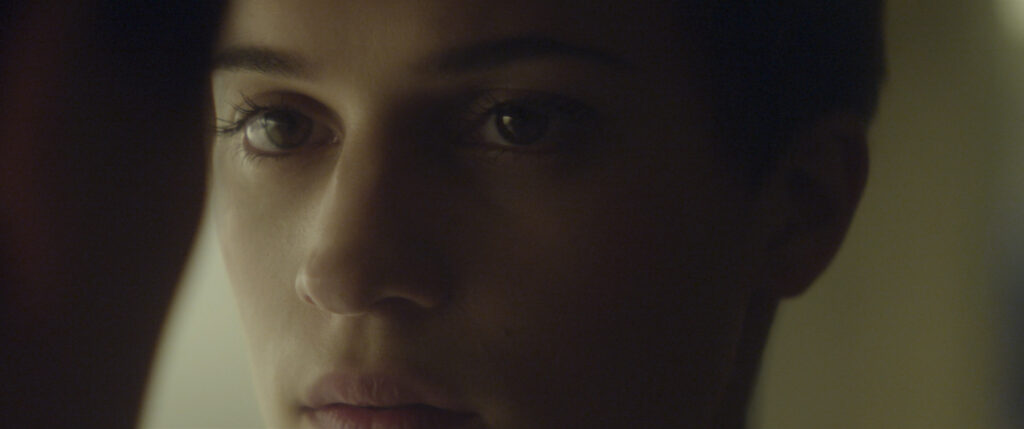
What is SHORT KEY LIGHTING technology? What does it symbolize? How can this technology add more beauty and dimension to our scenes?
We talked in previous articles about the basics of lighting distribution, and we talked about that the basic rule in lighting distribution is three-point lighting, but that rule is considered devoid of dimension and directionless, so it is simple in itself, but when we move the game of lighting to a dialogue scene, based on the distribution of elements in it according to the 180-degree rule, the topic will become somewhat complicated, due to the need to take a lighting direction according to that rule. In this article, we will talk about a simple rule or technique called short lighting - SHORT. KEY LIGHTING, a rule that will simplify the complexity of lighting in the scenes we will be working on. What is the SHORT KEY LIGHTING technique? This technique is summarized by determining the location of the key light according to the 180 degree rule. It states that the key light is placed on the opposite end of the camera with respect to the 180 degree rule line. Let's delve into what this technique means and why it is so common in films and cinematic works, because once you get to know this technique, you will begin to notice it in every work of art you will see.
Let us first remember what the 180 degree rule is: The reason this technique is called “short” is because of the positioning of the lighting and its effect on the element we are photographing. Let us assume that we have two actors in a dialogue. When the lighting is on the opposite side of the camera, as in picture No. 1, the lighting will illuminate the far side of the camera, and the lighting will then be “short” on the actor’s face. In the second case in Image No. 2, we have what is the opposite of short lighting, which is when the camera is on the same side as the lighting, so the actor’s face on the camera will be more illuminated, in other words, “longer.” The SHORT KEY LIGHTING technique follows an important principle in cinematography, which states that the light is more exciting and dramatic when it is on the opposite side of the camera, due to the distance caused by the shadows that form on the face. It also provides a state of interest when it highlights the details of the face through the shape of the nose and cheeks. This depth and gradation in lighting creates a state of strength and interest, which helps the viewer focus on the actor’s performance more.
The opposite of this technique or rule is what is called long lighting, so to speak. It is an undesirable technique for cinematographers, as it does not create many of the elements I mentioned above, and therefore does not greatly interest the viewer, but it is of course a method of distributing lighting, and if used correctly, it is a cinematic technique par excellence. We talked about side lighting in general through a detailed article that you can access from here. Next time you watch a movie or series, try observing this technology in lighting. You will be amazed by the amount of its extensive use in global business. Until we meet in a new article, I would like to remind you that if you find any questions, you can send your inquiries through our accounts on social networking sites.
Facebook, Twitter, Instagram, and you can also subscribe
On the Telegram channel to receive exclusive content and follow our latest updates. May you always be creative.
Did you like the article? Share it with your friends..
DROPIDEA
We hope this article has added real value to you. At DROPIDEA, we always strive to deliver high-quality content that helps you grow and evolve in the digital space. Follow us for more useful articles and guides.
Admin
DROPIDEA
Latest Articles

Nscale Acquires Anyscale for $1.65 Billion to Expand Its Dominance in AI Infrastructure

How Is AI Accelerating Meta's New App Launches?

Okta Acquires Security Firm Permiso for Around $200 Million

Microsoft Gains $3.2 Billion from Its Investment in Anthropic