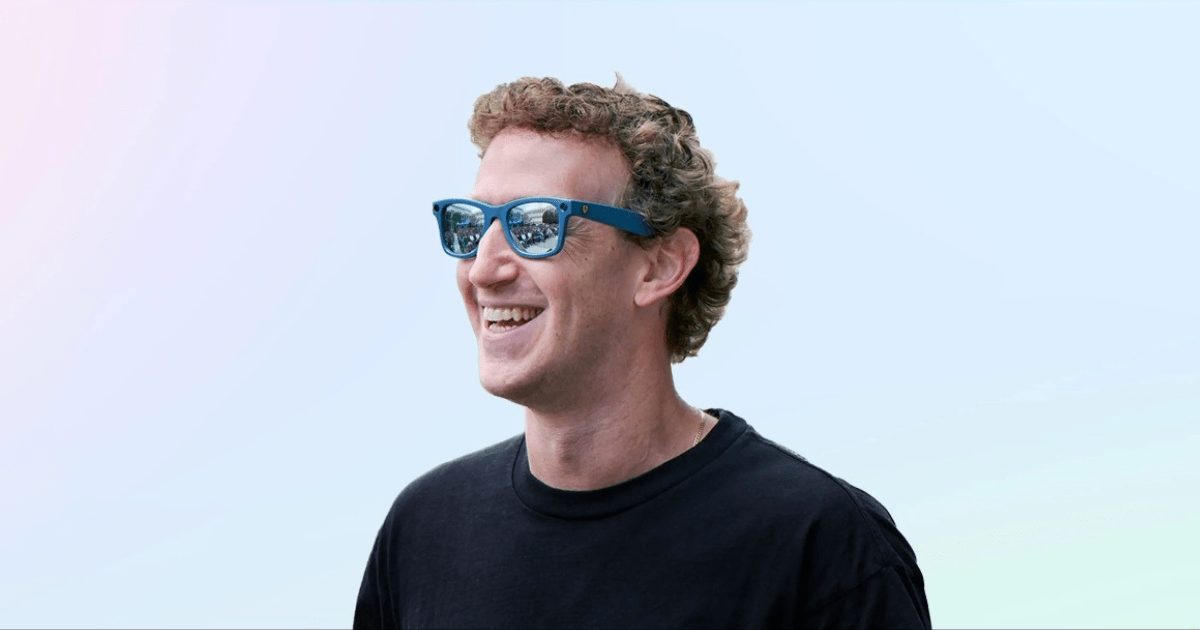
Meta Promotes AI with a Song About the End of Humanity
 By Admin

An Ad Between Optimism and Irony
Meta recently released a new promotional ad celebrating the future of artificial intelligence, portraying it as a force that brings people together and opens up limitless opportunities. The ad opens with black-and-white scenes reflecting growing anxiety over AI's impact on the job market and society, then abruptly shifts to vivid colors depicting warm human moments: couples dancing, teenagers swimming, and friends embracing after a long absence.
The narrator says: "Some will try to convince you that AI will make us less connected and that the world will be left behind. We completely disagree. The future is for everyone." A lovely message, of course — though a conveniently comfortable one for a company pouring hundreds of billions of dollars into the bet that AI will reshape the face of humanity.
The Song That Undermined the Message
The ad's visual content wasn't the most puzzling element — it was the musical choice accompanying it. Meta selected "Five Years" by the legendary David Bowie as the ad's background track, a song that tells a harrowing human story: the moment humanity discovers that Earth is dying and that only five years remain before total extinction.
The lyrics leave no room for interpretation:
- "We've got five years, my brain hurts a lot"
- "The news guy wept and told us earth was really dying"
- "Cried so much his face was wet, then I knew he was not lying"
The section Meta used in its ad repeats the word "People" over and over, making it sound like an uplifting anthem to anyone unfamiliar with the song's original context. But those who know the full story immediately recognize the glaring irony: promoting a bright future with music that describes the end of the world.
A Recurring Cultural Blind Spot in the Tech World
This mistake may seem like a minor slip, but it actually reveals a recurring pattern among major tech companies that draw on cultural works without grasping their true messages. Consider these examples:
- Meta's Oculus division used to hand new employees a copy of Ready Player One — a science fiction novel set in a dystopia dominated by a virtual reality app whose company is portrayed as a force for evil.
- OpenAI CEO Sam Altman draws inspiration from the film Her, a movie that specifically warns about the dangers of emotional dependency on artificial intelligence.
- Palantir, which specializes in AI-powered government surveillance systems, took its name from the "seeing stone" in The Lord of the Rings — the very object the Dark Lord uses to spy on his enemies.
The gap between these executives and a genuine literary and cultural understanding of the works they reference appears remarkably wide — leading many to argue that the humanities hold real, underappreciated value even at the heart of Silicon Valley.
A Race of Unsettling Ads
Meta is not alone in this controversial advertising experience. Weeks earlier, Anthropic released an ad that many described as closer to a cautionary manifesto than a marketing campaign — opening with a scene of a house engulfed in flames, interspersed with images of facial surveillance, homelessness, and graveyards. Anthropic's goal was to demonstrate that it understands the risks of AI and is therefore the more trustworthy choice, but the overall impression felt more like a doomsday warning than an invitation to optimism.
Sam Altman commented on the ad with a touch of sarcasm: "I thought it was a parody and kept waiting for the reveal."
The Public Isn't Convinced
Amid this frenzied race to shape public opinion, the numbers suggest that these marketing efforts have yet to bear fruit. According to a Pew Research Center survey, only 16% of Americans believe AI's impact on society over the next two decades will be positive, while 40% expect its effect to be negative.
The gap between big tech companies' messaging and the public's actual feelings about AI remains profound. Perhaps rather than investing in cheerful ads set to songs about the end of the world, these companies would be better served by investing in genuine, transparent dialogue that addresses people's real concerns.
✦ بقلم فريق دروب أيديا
DROPIDEA
We hope this article has added real value to you. At DROPIDEA, we always strive to deliver high-quality content that helps you grow and evolve in the digital space. Follow us for more useful articles and guides.
Tags
Admin
DROPIDEA
Latest Articles
Nscale Acquires Anyscale for $1.65 Billion to Expand Its Dominance in AI Infrastructure
How Is AI Accelerating Meta's New App Launches?
Okta Acquires Security Firm Permiso for Around $200 Million
Microsoft Gains $3.2 Billion from Its Investment in Anthropic