OpenClaw Comes to Smartphones: The Age of Agents in Your Pocket
 By Admin
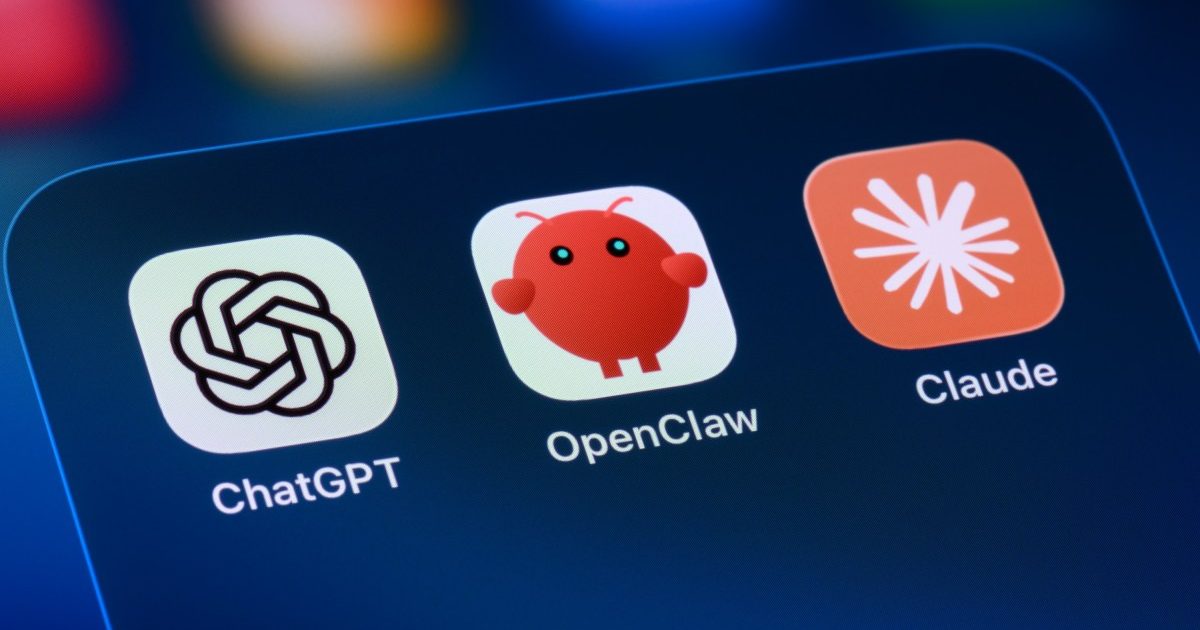
The Smart Agent Fits in Your Pocket
After months of anticipation, the team behind OpenClaw — the open-source AI agent that captured widespread attention earlier this year — has announced the official launch of its app on both iOS and Android. This move marks a qualitative shift in how users interact with AI agents, as there is no longer any need to connect a computer or configure complex technical environments to take advantage of their capabilities.
How Does the App Work?
The app is built around what is known as OpenClaw Gateway, a middleware layer that acts as an intelligent dispatcher, connecting user requests to the various agents, tools, and skills used to complete tasks. In simpler terms, the Gateway receives your commands and routes them to the appropriate agent — whether that means writing code, planning a weekly meal schedule, or any other task you have set up in advance.
This design makes OpenClaw a flexible platform that suits the technical user who builds their own agents, as well as the everyday user who borrows ready-made agents from the developer community.
What Can You Do with It?
The OpenClaw community has provided a variety of examples of what agents can accomplish, including:
- Helping developers write and review code
- Planning daily and weekly meals
- Automating repetitive tasks at work and in personal life
- Researching and summarizing information automatically
That said, some users have reported results that fell short of their expectations — which is understandable for tools that depend heavily on precise configuration and the quality of the instructions provided.
The OpenClaw Story: Widespread Reach and Controversy
OpenClaw became widely known at the start of this year, coinciding with the launch of MoltBook, a social network whose content was claimed to be generated entirely by AI agents. The project sparked heated debates about the future of digital interaction, though researchers later revealed that real humans had disguised themselves as agents to contribute content. Many viewed this as a carefully staged performance designed to put OpenClaw in the spotlight and introduce the public to the concept of AI agents — even if it came at some cost to the platform's credibility.
Then, last February, Peter Steinberger, the founder of OpenClaw, announced that he had joined OpenAI, adding yet another dimension to the ongoing story of this project.
AI Agents: From Desktop to Smartphone
The launch of OpenClaw on mobile reflects a broader trend unfolding across the AI industry: agents are no longer confined to specialized development environments but are making their way into the everyday interfaces used by millions. Both large companies and startups are racing to integrate agents into their products, and the smartphone — as the most widely used device in the world — is the natural next stop in this expansion.
What sets OpenClaw apart in this context is that it is free and open-source, giving developers the freedom to modify and build upon it without restrictions, and making it an attractive option for anyone looking to explore the world of intelligent automation at zero cost.
Conclusion
OpenClaw's arrival on smartphones is a practical step toward delivering on the promise of intelligent automation in everyday life. Perhaps the most striking takeaway is that AI agents are no longer just a future concept debated at tech conferences — they have become real tools competing for a spot on your home screen.
✦ بقلم فريق دروب أيديا
DROPIDEA
We hope this article has added real value to you. At DROPIDEA, we always strive to deliver high-quality content that helps you grow and evolve in the digital space. Follow us for more useful articles and guides.
Tags
Admin
DROPIDEA
Latest Articles

Pangram Raises $9 Million to Detect AI-Generated Content

Encore AI تجمع 30 مليون دولار لبناء وكلاء ذكاء اصطناعي يتعلمون من مكالمات العملاء

Hint: The AI-Powered Home Management Assistant with Martha Stewart's Touch

Startup Runlayer Accuses Rippling of Stealing Its MCP Product Idea