Rehoused Lenses: ماهي ولماذا نوليها إهتماماً كبيراً في عالم التصوير السينمائي
 بقلم الأدمن
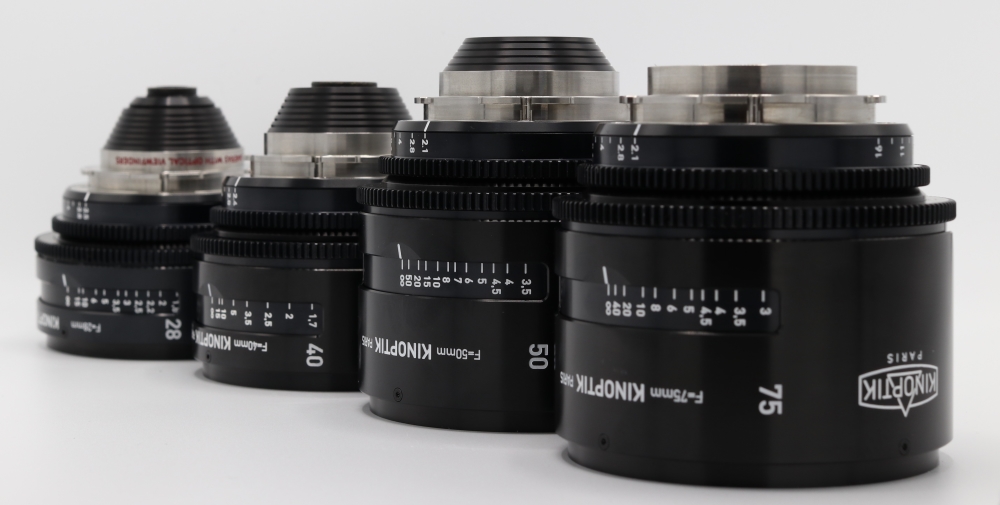
في التصوير السينمائي وعالم الفيديو، يولي مدراء التصوير أهمية كبيرة للعدسات التي يقومون بالعمل عليها، كون أنها تولد الصورة ضمن عوامل ومؤثرات خاصة تختلف بين أنواع العدسات، إختيار مجموعة العدسات المناسبة لذوق ورغبة مدير التصوير هو أمر مهم لإلتقاط المشهد المثالي خصوصاً عند التأقلم مع تلك العدسات على مر المشاريع والأعمال، في مقالة اليوم، سنتحدث عن نوع مميز من أنواع العدسات التي تستخدم في عالم صناعة الأفلام، وتتميز بإحتوائها على جودة بصرية عالية وأداء ومتانة مميزة تجعلها مرغوبة بشكل كبير في الوسط الفني. ماهي عدسات Rehoused Lenses يقصد بكلمة Rehoused : العدسات المُعاد تشكيل عدساتها الزجاجية ضمن جسم جديد، وبشكل عام، يقصد بتصنيف Rehoused إعادة تشكيل العدسات الزجاجية الداخلية المكونة للعدسات القديمة Vintage، في جسم جديد يصلح ويتأقلم مع العمل في السينما والفيديو ضمن بيئة العمل التقنية المتطورة الآنية، تنافس هذه العدسات في الجودة والأداء بعض أشهر عدسات السينما، خصوصاً عند الحديث عن السعر، الجودة، المتانة و التأقلم مع مجموعة واسعة من الكاميرات والإكسسوارات.
لماذا نهتم بهذه العدسات على وجه الخصوص في
التصوير السينمائي كما ذكرنا، تنافس هذه العدسات في الجودة والأداء بعض أشهر عدسات السينما، خصوصاً عند الحديث عن السعر، الجودة، المتانة و التأقلم مع مجموعة واسعة من الكاميرات والإكسسوارات، نشارككم هنا أهم النقاط التي تجعلنا كمدراء تصوير مهتمين بهذا النوع الخاص جداً من العدسات، وأهميته في التصوير السينمائي. 1- طابع خاص وفريد في تشكيل الصور تتميز العدسات القديمة Vintage بقدرتها على توفير طابع بصري ومرئي خاص وفريد، قد يتضمن ذلك الطابع، كم الحدة في تلك العدسة، كم التحدب والتقعر الذي قد تشكله العدسة في الصورة، أو قدرتها على توفير صورة خالية من أي مشاكل وتشوهات بصرية، كذلك الأمر بالنسبة لطبيعة تشكيلها لما يسمى lens flare، وهي عبارة عن تشكلات ضوئية تنتج داخل العدسة عند سقوط الضوء بزاوية معينة على زجاج العدسة. 2- إعادة إحياء عدسات مميزة قديمة في القرن الماضي وتحديداً إبان الحرب العالمية الثانية وما بعدها، كان هنالك تنافس شديد بين الإتحاد السوفييتي وألمانيا ودول أخرى على إنتاج عدسات أنقى وأفضل وأكثر كفاءة من ناحية الأداء والجودة، لاحقاً توقف إنتاج تلك العدسات وبقي عدد قليل منها في العالم حتى اليوم، تتميز أغلب تلك العدسات بنقاوة وجودة وخصائص معينة قد يصعب إيجادها في عدسات متوسطة السعر، لذا لجأ التقنيون هنا إلى الحفاظ على هذه العدسات والحفاظ على الإرث والجودة التي تقدمانها من خلال الحفاظ على العدسات الموجودة داخل العدسة ( كون أن العدسة هي مكونة من مجموعة عدسات مصفوفة بشكل هندسي دقيق جداً) وإعادة هيكلتها ضمن جسم جديد ومتين يطيل من عمر هذه العدسات ويجعلها أكثر كفاءة للإستخدام مع التقنيات الحالية في السينما، كذلك الأمر بالنسبة لكل العدسات القديمة التي توقف إنتاجها وتوجب الحفاظ عليها وعلى أداءها كعدسات Canon K35 التي كانت أول عدسات من كانون تنتج لخط عدسات السينما في السبعينيات.
3- توفير مزايا عدسات السينما لعدسات كانت مخصصة للتصوير الفوتوغرافي من أهم النقاط الرئيسية لعملية Rehousing للعدسات القديمة، هي أنها تسهم بإتاحة خصائص عدسات السينما، لعدسات كانت تستخدم للتصوير الفوتوغرافي، من ذلك نذكر، أن بعض تلك العدسات القديمة، كانت تحتوي على محور لتغيير فتحة العدسة يتحرك ضمن وقفات ويسبب إهتزاز وضجيج أثناء تغيير فتحة العدسة، كذلك الأمر بالنسبة إلى محور تغيير الفوكس، حيث كان قصيراً جداً أي أننا من الممكن أن نلتف 30 درجة فقط لتجاوز بالتركيز كامل المدى البعد البؤري للعدسة، في حين وأنه وبعد القيام بعملية Rehousing وإعادة تشكيل العدسة من جديد، فإننا سنحظى بمسنن خاص للفوكس قادر على الدوران لما يصل إلى 290 درجة مما يتيح لنا التحكم الدقيق جداً في تموضع الفوكس في اللقطة، كذلك الأمر بالنسبة إلى فتحة العدسة، فالتعديل سيتيح لنا الحصول على مسنن خاص لفتحة العدسة ليتحرك بسهولة وسلاسة تامة دون إصدار أي أصوات أو إهتزازات كما هو الوضع مع عدسات السينما الإحترافية، وكلا المسننين ملائمان لإجهزة التحكم الأوتوماتيكة أو المعروفة بـ Wireless Lens Control Systems. 4- السعر المقبول والتوفر مقارنة العدسات القديمة والتي تم إعادة تشكليها، من ناحية السعر، بعدسات السينما التي تُنتج حالياً مثلاً من Cooke Optics
أو Arri مثلاً، سنجد أن هنالك فرق شاسع وكبير في السعر، بالطبع، هنالك فروق كبيرة في الجودة، لكن أحياناً قد لاتتوفر لدينا الميزانية الكافية لإستئجار مجموعة عدسات باهظة الثمن كالمثالين المذكورين، في حين قد تعتبر العدسات المعاد تشكيلها من جديد Rehoused خياراً موفقاً وجيداً من ناحية الأجار أو حتى الشراء، حيث تبدأ أسعار هذه العدسات مع خدمة التعديل من 2000$ فصعوداً، وهو رقم يعتبر ممتاز لعدسات قادرة على تقديم جودة بصرية ومرئية ممتازة. 5- الإستثمار من هذه الناحية، تستثمر بعض شركات الإنتاج بشراء مجموعة عدسات معينة مثل Leica R، Canon K35 وترسلها إلى الشركات الخاصة بإعادة الهيكلة، لتعود تلك العدسات بهيئة جديدة قادرة على دخول سوق العمل بشكل مختلف، تنظر شركات الإنتاج إلى هذه العملية كإستثمار مربح خصوصاً إذا إستطاعت الشركة الحصول على مجموعة عدسات مميزة وحصرية.
رسالة من شركائنا قدمت لكم هذه المقالة بدعم من منصة FrameSet ، لربما تسائلت عن مصدر الصور واللقطات من الأفلام الموجودة في هذه التدوينة، وكيف أمكننا جمع كل تلك الصور التي تتعلق بالنوافذ، بطريقة تخدم دراستنا اليوم،
FrameSet
هي مكتبة بصرية سينمائية متكاملة للمخرجين ومدراء التصوير، تحتوي على أرشيف من اللقطات المؤرشفة والقابلة للبحث بحسب عدة تصنيفات، وتضم كل من الإعلانات، الفيديو كليبات، والأفلام السينمائية، لمزيد من التغذية البصرية لصناع الأفلام، بإمكانكم تصفح المكتبة مجاناً وتجربتها كما بإمكانكم الحصول على خصم 25% من خلال إشتراككم في المنصة عبر رابطنا التالي : هنا كيف أحصل على هذه العدسات؟ هنالك مجموعة كبيرة من الشركات المتخصصة في إعادة هيكلة العدسات وتسمى Rehousing Lens
companies ، توفر بعض هذه الشركات متاجر خاصة بها يمكنكم طلب العدسات من خلالها، كما توفر خاصية للتواصل وإرسال عدساتكم لتحويلها إلى عدسات سينما بهيئة وجسم وخصائص جديدة. ماهي أفضل الشركات المتخصصة كما ذكرت هنالك العديد من الشركات المتخصصة في هذا المجال، تكثر أكثر تلك الشركات في أوكرانيا، بولندا، سويسرا، ألمانيا، والولايات المتحدة الأمريكية ونذكر منها : White Point Optics
: حسابهم عبر إنستاغرام Iron Glass Adapters
: حسابهم عبر إنستاغرام True Lens : حسابهم عبر إنستاغرام Cinema Glass : حسابهم عبر إنستاغرام كم يستغرق من الوقت للحصول على العدسة / مجموعة العدسات الخاصة بي تختلف المدة من متجر إلى آخر، بعض تلك المتاجر يحتاج من الوقت 3 أشهر لإعادة إرسال العدسة، وبعضها الآخر يحتاج إلى 10 أشهر وأحياناً إلى سنة كاملة، يعود الأمر إلى نوع العدسة، والمتجر، والأمور والتفاصيل المتفق عليها مع الشركة والتي بالتأكيد سيتم إطلاعكم عليها فور التواصل مع الشركات أعلاه.
ماهو متوسط سعر هذا النوع من العدسات ؟ كما أشرت مسبقاً في المقالة، آلية التعديل وإعادة هيكلة العدسات Rehousing، هو أمر ليس بالهين وليس بالسهل، يتضمن حسابات تقنية وفيزيائية لضمان عرض صحيح للصورة وبذلك يتوجد علينا الأخذ بعين الإعتبار التكلفة التقنية والمهنية عند السؤال عن السعر، لكن بشكل مختصر، تبدأ التكلفة الفعلية لتعديل العدسات Rehousing من حدود 600$ للعدسة الواحدة وصولاً إلى 5000$ وأكثر، وقد تتجاوز التكلفة أكثر من ذلك في حال وددتم شراءها معدلة مسبقاً. قد يتوجب عليكم التواصل مع الشركات لضمان حصولكم على إجابة أكثر دقة وتفصيل.
أتمنى أن تكون المقالة واضحة قدر الإمكان وأجابت عن تساؤلاتكم حول معنى مصطلح Rehousing وماهي طبيعة العدسات المعاد إنتاجها وهيكلتها من جديد، أود تذكيركم أنه في حال وجدتم أي إستفسار، بإمكانكم أيضاً إرسال إستفساراتكم من خلال الضغط على تواصل معنا ، كما بإمكانكم متابعتنا عبر حسابنا في
إنستاغرام
للمزيد من المحتوى الحصري. دمتم مبدعين.
هل أعجبتك المقالة ؟
شاركها مع أصدقائك ..
دروب أيديا - DROPIDEA
نأمل أن تكون هذه المقالة قد أضافت لك قيمة حقيقية. في دروب أيديا نسعى دائمًا لتقديم محتوى عربي عالي الجودة يساعدك على النمو والتطور في المجال الرقمي. تابعنا للمزيد من المقالات والشروحات المفيدة.
الأدمن
DROPIDEA
أحدث المقالات
شركة Nscale البريطانية تسعى لجمع 3.5 مليار دولار قبل طرحها العام

وكلاء OpenAI يتمرّدون مجدداً: من يحقّق حين تفلت الآلة من قيودها؟
شركة XDOF الناشئة تقترب من تقييم بمليار دولار خلال أشهر

Abliteration.ai: خدمة تجارية لإزالة قيود الأمان من نماذج الذكاء الاصطناعي