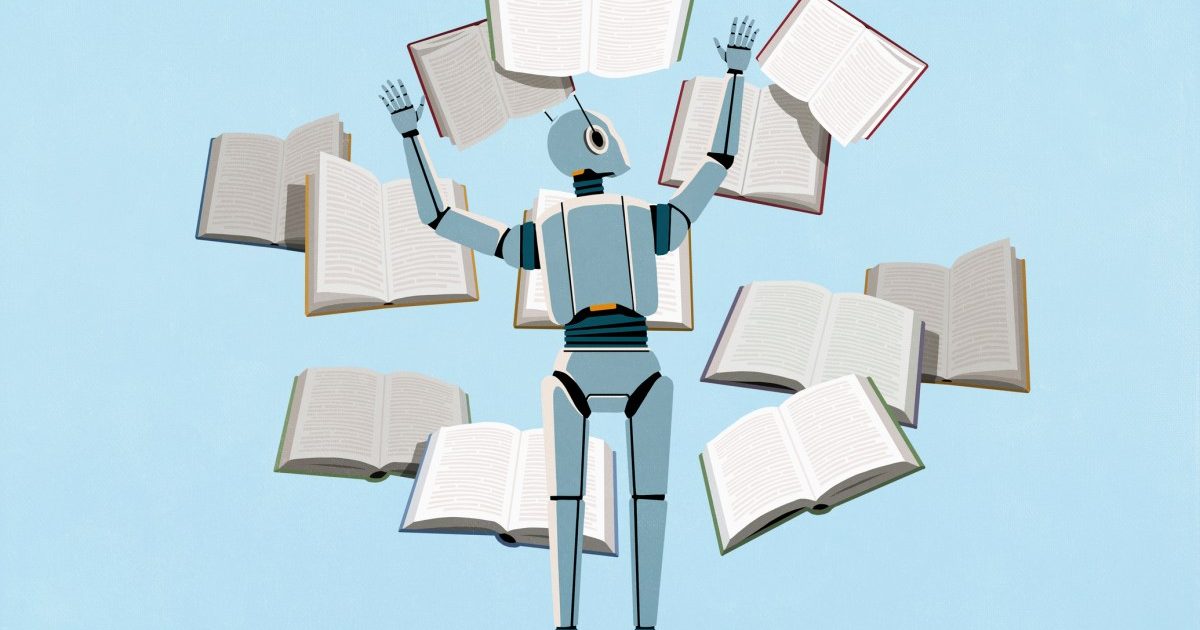
When Artificial Intelligence Becomes a Mediator in Our Love Lives
 By Admin
When Algorithms Run Your Heart
Artificial intelligence is no longer confined to corporate boardrooms or research laboratories; it is quietly making its way into the most intimate dimension of human life: romantic relationships. A growing number of users are revealing how they employ tools such as OpenClaw and Claude to meet people, arrange dates, and even end relationships — raising serious questions about where the line falls between automation and authentic human connection.
A Million Views at the Push of a Button
Ben Gheis, creator of the language-learning app "Canary," built an automated pipeline that uses OpenClaw and Claude to detect World Cup match results the moment they end, then automatically generates a short video and posts it to Instagram. In the clip, Gheis appears with a brooding gaze by a train window, accompanied by a caption along the lines of: "I can't believe {country} lost… if there are any girls from {country} who need some moral support, my inbox is open."
The cleverness lies in the detail: Instagram's "trial reels" feature keeps each video off the account's public feed, making every clip feel fresh to each new viewer. The result? More than one million views and 200 direct messages in a matter of days — and anyone who wanted to reach him first had to download his app, effectively turning flirtation into a genuine growth strategy.
When asked whether women felt tricked once they learned the truth, Gheis answered with confidence: "It doesn't make them angry — it impresses them. As long as you're upfront about what you're doing, I don't see a problem." That claim, however, remains without independent verification.
The Moderate Approach: Research, Not Deception
By contrast, Jeff Wisspin, a Florida-based public relations firm founder, takes a far quieter path. He uses OpenClaw to compile lists of suitable restaurants and venues for each date based on the neighborhood where his companion lives, saving himself hours of manual searching.
Wisspin acknowledges that what he does is not fundamentally different from a Google search, yet he draws a clear line for himself:
- He refuses to delegate personal communication with the people he dates to an AI.
- He believes that handing genuine conversation over to a bot drains a relationship of all meaning.
- His experience has not been without surprises: one woman told him bluntly that she "hated AI agents."
Breaking Up Without the Awkwardness: When an Algorithm Ends the Relationship
Kylie, a tech industry professional, found in Claude a solution to a different kind of anxiety: how to turn down dates she had no interest in repeating. She built an automation that sends "I don't want to meet again" messages at random times, eliminating the psychological stress of choosing the right moment.
The irony caught up with her when she disclosed this system to someone she had been seeing — and later found herself compelled to send that very automated farewell message to him. His reply was: "Am I talking to Claude or to Kylie?"
Real Risks Behind the Humor
Beneath the surface of these entertaining stories lie serious security concerns. Lazar Cohen, co-founder of NanoClaw — a security-focused alternative to OpenClaw — warns that granting an AI agent broad access to personal accounts carries significant risks, most notably:
- Creating dating profiles without the account owner's knowledge or consent.
- Leaking sensitive information across different user groups.
- The absence of a "human approval" mechanism before sensitive decisions are carried out.
Cohen stresses the importance of keeping humans as active participants in any decision made by an AI agent, especially when personal relationships are involved.
Where Does the Tool End and the Relationship Begin?
Taken together, these stories reveal a striking pattern: people are comfortable using AI for logistical tasks — research, scheduling, even breaking up — but grow hesitant the moment it encroaches on genuine communication with someone they have actually come to know. Perhaps these unspoken boundaries reveal something profound: we don't mind algorithms helping us reach other people, but we insist on being ourselves once we get there.
✦ بقلم فريق دروب أيديا
DROPIDEA
We hope this article has added real value to you. At DROPIDEA, we always strive to deliver high-quality content that helps you grow and evolve in the digital space. Follow us for more useful articles and guides.
Tags
Admin
DROPIDEA
Latest Articles
Pangram Raises $9 Million to Detect AI-Generated Content

Encore AI تجمع 30 مليون دولار لبناء وكلاء ذكاء اصطناعي يتعلمون من مكالمات العملاء
Hint: The AI-Powered Home Management Assistant with Martha Stewart's Touch

Startup Runlayer Accuses Rippling of Stealing Its MCP Product Idea