Zuckerberg Admits: AI Agents Haven't Delivered What We Expected
 By Admin
A Frank Admission from the Top
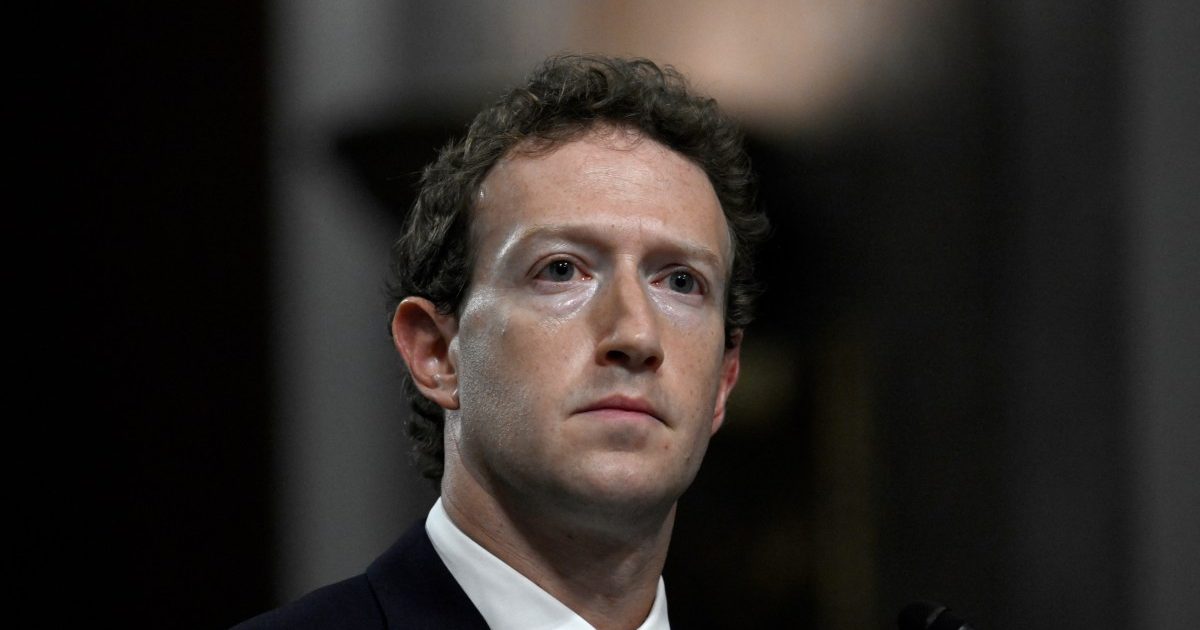
In a rare move that exposes the scale of challenges facing big tech companies on their path toward artificial intelligence, Meta's CEO Mark Zuckerberg acknowledged during an internal all-hands meeting that AI agents have not achieved the desired progress and have not advanced at the pace executives had hoped for when they drew up their ambitious plans.
Mass Layoffs Failed to Deliver Expected Results
Earlier this year, Meta laid off roughly eight thousand employees — approximately ten percent of its managerial workforce — while redirecting seven thousand others into specialized AI teams, including one known as the "Agent Transformation" team. Yet Zuckerberg admitted in that same meeting that these decisions had not gone as smoothly as they should have, noting that the primary driver behind them was a fear of falling behind the rapid shifts sweeping the technology sector.
Zuckerberg added that the anticipated benefits of the new AI-driven organizational structure have yet to materialize in practice, though he expressed cautious optimism that tangible results could be observed within the next three to six months.
A High-Pressure Work Environment Inside the AI Division
The challenges are not limited to the technical side alone. Multiple investigative news reports have painted a bleak picture of working conditions inside Meta's AI division, with a number of engineers transferred there describing it as a stressful environment lacking clarity of vision and goals — raising serious questions about the effectiveness of this hastily executed structural overhaul.
Massive Infrastructure Investments
Despite these near-term setbacks, Meta continues to press ahead with its investment strategy at a bold and steady pace. Estimates suggest the company will pour as much as $145 billion into AI infrastructure in the current year alone, making a strategic bet that these investments will pay off over the medium and long term.
Lessons from Meta's Experience
Meta's experience reveals a fundamental truth that AI revolution enthusiasts often overlook: replacing human talent with intelligent agents is not something that can be achieved by executive decree or financial investment alone. There is a real gap between what AI promises in theory and what it can actually deliver in complex work environments. The key takeaways from this experience can be summarized as follows:
- The transition to AI requires far more time than corporate acceleration plans typically anticipate.
- Restructuring the workforce yields little benefit if it is not accompanied by a clear and mature technical vision.
- Placing employees under pressure and assigning them poorly defined tasks undermines productivity rather than enhancing it.
- Large-scale financial investment is a necessary condition, but it is not sufficient on its own to guarantee success.
What Does This Mean for the Industry?
The question remains: is what Meta is going through an exception, or a recurring pattern? In all likelihood, many companies racing to adopt AI agents will find themselves facing a similar gap between expectations and reality. Perhaps Zuckerberg's public admission — rare in the world of large corporations — represents an opportunity to recalibrate expectations across the industry as a whole, and to approach this technology with greater realism and deeper deliberation.
✦ بقلم فريق دروب أيديا
DROPIDEA
We hope this article has added real value to you. At DROPIDEA, we always strive to deliver high-quality content that helps you grow and evolve in the digital space. Follow us for more useful articles and guides.
Tags
Admin
DROPIDEA
Latest Articles

Pangram Raises $9 Million to Detect AI-Generated Content

Encore AI تجمع 30 مليون دولار لبناء وكلاء ذكاء اصطناعي يتعلمون من مكالمات العملاء

Hint: The AI-Powered Home Management Assistant with Martha Stewart's Touch

Startup Runlayer Accuses Rippling of Stealing Its MCP Product Idea